
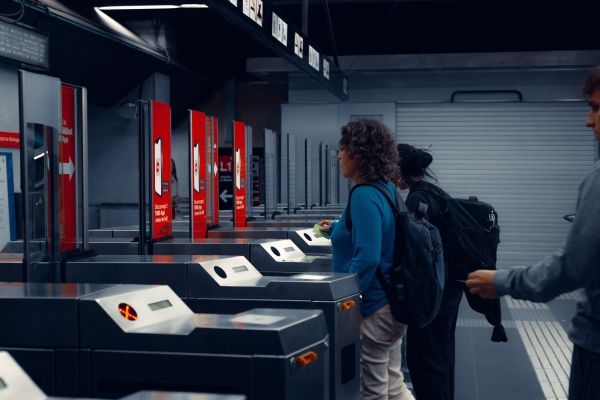
Modern Security Needs Across Transport Networks
Transport infrastructure handles a continuous flow of passengers, luggage, commercial shipments, and valuable goods. Airports, railway stations, warehouses, and cargo terminals must maintain efficient operations while identifying potential security threats. Traditional manual checks remain important, but technology can help security teams inspect items more consistently and manage increasing workloads.
Modern screening solutions support this process through advanced imaging, automated inspection workflows, and digital monitoring. Choosing suitable equipment requires organisations to consider their facility layout, traffic volume, security requirements, and long-term operational goals.
Understanding Advanced Scanning Technologies
Screening People and Vehicles
A Portal Scanner system can support security screening at controlled entry points, depending on its design and intended application. Portal-based equipment may be used to screen people or vehicles for specified threats. Before selecting a system, organisations should verify its detection capabilities, operating conditions, safety requirements, and compatibility with existing procedures.
Correct installation and trained operators are essential. Security teams should also establish clear protocols for handling alarms, conducting secondary checks, and documenting inspection outcomes.
Improving Baggage Inspection at Railway Stations
Busy railway stations require screening arrangements that can accommodate changing passenger volumes without creating unnecessary congestion. A railway station scanner helps authorised personnel examine baggage and identify objects that may require closer inspection.
When evaluating equipment, station managers should consider image clarity, screening speed, conveyor capacity, available space, maintenance requirements, and operator training. The system should fit naturally into passenger movement patterns while maintaining appropriate inspection standards.
Essential Features to Evaluate Before Procurement
Selecting scanning equipment involves more than comparing initial purchase prices. Organisations should examine how each solution will perform under actual operating conditions.
Detection and Image Quality
Clear imaging helps trained operators identify suspicious objects and determine whether additional inspection is necessary. Buyers should review technical specifications and request demonstrations using representative screening scenarios.
Integration and Operational Efficiency
Equipment that integrates with existing monitoring systems and inspection procedures can improve coordination. Digital records, access controls, and defined escalation processes help teams maintain accountability.
Maintenance and Technical Support
Routine servicing, software updates, spare-part availability, and responsive technical assistance contribute to dependable operation. Organisations should understand warranty conditions and ongoing service costs before finalising a purchase.
Top Companies in Security Screening Technology
When comparing suppliers, buyers should assess their product specifications, implementation experience, support services, and suitability for the intended application.
- Smiths Detection: Provides detection and screening technologies for transportation and security applications.
- Vehant: Develops security screening and inspection solutions for transport facilities and other security-sensitive environments.
- Nuctech: Offers inspection equipment for cargo, vehicles, and other security applications.
- Leidos: Provides security detection and inspection technologies for transportation and government environments.
The most appropriate supplier depends on the facility's needs, technical requirements, available budget, and service expectations. Organisations should independently verify current product offerings and request detailed proposals before making procurement decisions.
How to Choose Cargo Inspection Equipment in India
Organisations planning to buy x ray cargo scanner India solutions should first estimate shipment volumes, container dimensions, inspection frequency, and the level of detection required. These factors influence the appropriate scanner configuration and installation requirements.
Procurement teams should also evaluate radiation safety provisions, regulatory compliance, operator training, equipment uptime, and the availability of local technical support. Comparing lifecycle costs rather than purchase price alone can help decision-makers understand the long-term investment.
For facilities handling diverse shipments, compatibility with existing cargo management workflows is another important consideration. A clearly documented implementation plan can reduce disruption during installation and help staff adapt to new procedures.
Building a Consistent Security Strategy
Technology delivers stronger results when combined with trained personnel and well-defined processes. Regular equipment testing, operator refresher training, incident reporting, and periodic reviews help ensure that inspection procedures remain effective as operational demands change.
A railway station scanner should be selected according to passenger screening needs, while cargo facilities require equipment suited to their shipment types and throughput requirements. Similarly, a Portal Scanner system must match the specific screening task rather than being selected solely because of its name or general capabilities.
Organisations preparing to buy x ray cargo scanner India equipment should compare technical documentation, service commitments, safety provisions, and demonstration results before choosing a solution.
By matching the right technology to each inspection environment, transport operators can improve security oversight, support efficient movement, and build a more resilient approach to protecting critical infrastructure.