
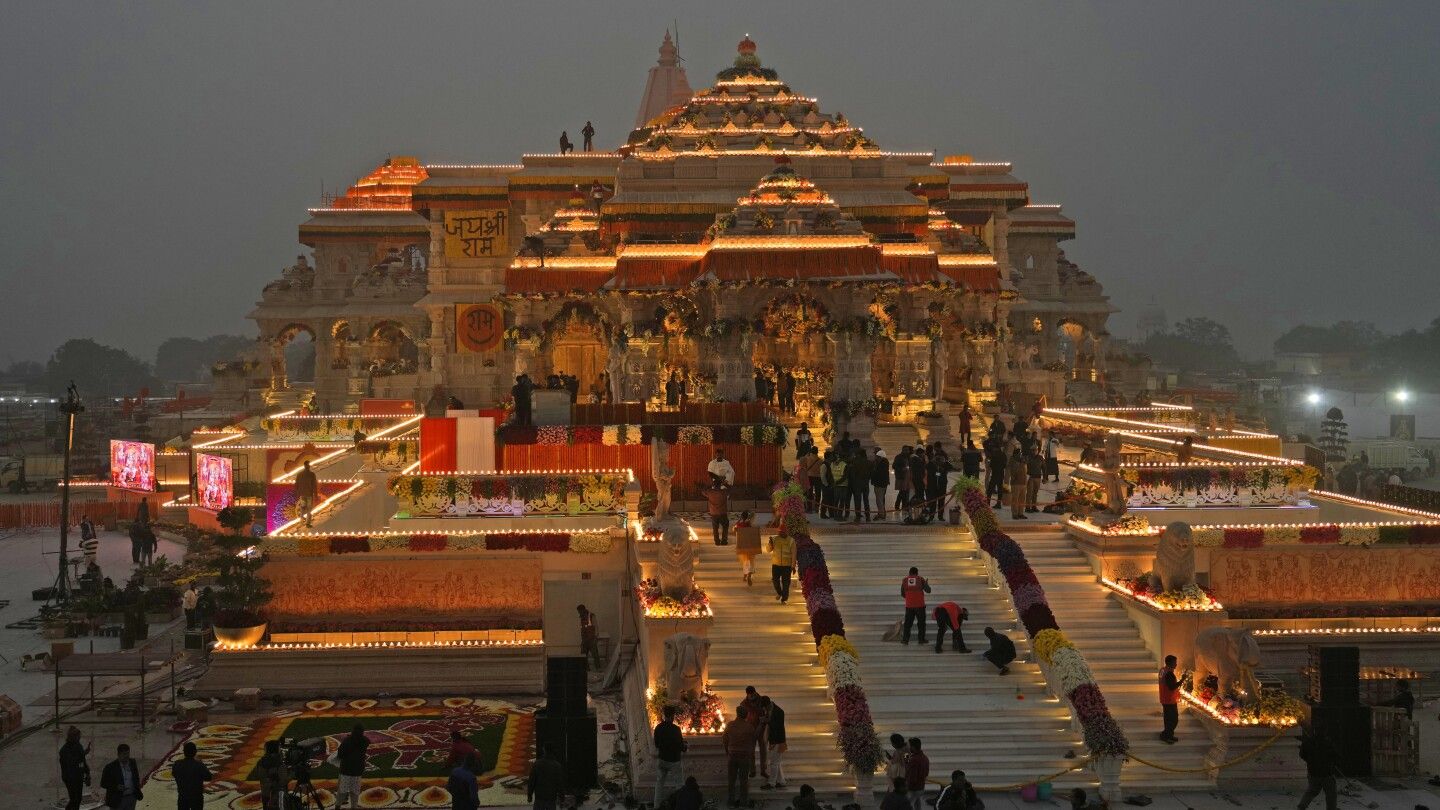
Ayodhya is one of the most sacred and culturally rich cities in India, revered as the birthplace of Lord Rama. Best Time to Visit Ayodhya is a question every traveler and pilgrim asks before planning their journey, because the city’s charm is deeply tied to its seasons, festivals, and spiritual atmosphere. From the vibrant celebrations of Diwali to the serene ghats of the Sarayu River, Ayodhya offers unique experiences throughout the year, but choosing the right time ensures you enjoy the city at its fullest.
Introduction to Ayodhya
Located in Uttar Pradesh, Ayodhya is one of the seven holiest cities in Hinduism. It is mentioned in ancient scriptures like the Ramayana, Atharva Veda, and various Puranas. The city is dotted with temples, ghats, gardens, and historical landmarks, making it a destination that blends spirituality with heritage. With the construction of the grand Ram Janmabhoomi Temple, Ayodhya has gained even greater prominence, attracting millions of visitors annually.
Understanding Ayodhya’s Climate
Ayodhya experiences a typical North Indian climate with three distinct seasons:
- Summer (March to June): Hot and dry, with temperatures often reaching 40°C.
- Monsoon (July to September): Humid and rainy, with lush greenery around the Sarayu River.
- Winter (October to February): Pleasant and cool, with temperatures ranging between 8°C and 20°C.
Each season offers a different experience, but the best time to visit depends on whether you’re seeking spiritual immersion, cultural festivities, or peaceful exploration.
Best Time to Visit Ayodhya: October to March
The period between October and March is widely considered the best time to visit Ayodhya. The weather is pleasant, making temple visits, river rituals, and sightseeing comfortable. This season also coincides with major festivals, adding cultural vibrancy to the city.
Seasonal Breakdown
1. Winter (October to February)
- Weather: Cool and pleasant, ideal for outdoor activities.
- Highlights:
- Diwali: Ayodhya is world-famous for its grand Diwali celebrations, where millions of lamps light up the ghats and temples.
- Ram Vivah Utsav: Celebrates the divine marriage of Lord Rama and Sita.
- Makar Sankranti: Pilgrims take holy dips in the Sarayu River.
- Why Visit: Comfortable climate and festive atmosphere make winter the most recommended season.
2. Summer (March to June)
- Weather: Hot and dry, with temperatures soaring up to 40°C.
- Highlights:
- Ram Navami: Celebrates the birth of Lord Rama, attracting thousands of devotees.
- Spiritual Significance: Despite the heat, pilgrims visit temples and ghats for rituals.
- Why Visit: Ideal for those who want to witness Ram Navami celebrations, though the heat can be challenging.
3. Monsoon (July to September)
- Weather: Humid with heavy rainfall, but the city turns lush and green.
- Highlights:
- Shravan Month: Devotees flock to temples for special prayers.
- Nag Panchami: Celebrated with rituals and offerings.
- Why Visit: The rains add charm to the Sarayu River and ghats, but travel may be inconvenient due to flooding and humidity.
Festival Calendar in Ayodhya
Ayodhya’s festivals are deeply tied to its spiritual identity. Planning your trip around these events enhances the experience.
- Diwali (October/November): The grandest celebration, with millions of diyas illuminating the city.
- Ram Navami (March/April): Celebrates Lord Rama’s birth with processions and rituals.
- Kartik Purnima (November): Pilgrims take holy dips in the Sarayu River.
- Makar Sankranti (January): Marks the transition of the sun into Capricorn.
- Shravan Month (July/August): Devotees perform special prayers and rituals.
Suggested Itineraries Based on Season
Winter Itinerary (October to February)
- Day 1: Visit Ram Janmabhoomi Temple and Hanuman Garhi.
- Day 2: Explore Kanak Bhawan, Nageshwarnath Temple, and Sita Ki Rasoi.
- Day 3: Attend evening aarti at Sarayu Ghats and explore Tulsi Smarak Bhawan.
- Day 4: Visit Treta Ke Thakur and Mani Parvat.
Summer Itinerary (March to June)
- Focus on spiritual experiences like Ram Navami celebrations.
- Early morning and evening temple visits to avoid heat.
- Relax by the Sarayu River during cooler hours.
Monsoon Itinerary (July to September)
- Enjoy the lush greenery and river views.
- Participate in Shravan month rituals.
- Indoor visits to temples and cultural centers during heavy rains.
Travel Tips for Ayodhya
- Best Time: October to March for pleasant weather and festivals.
- Clothing: Light woolens in winter, cotton clothes in summer, and rain gear during monsoon.
- Local Etiquette: Respect traditions, maintain silence in temples, and dress modestly.
- Transport: Ayodhya is well-connected by road, rail, and nearby airports in Lucknow and Varanasi.
- Accommodation: Options range from budget lodges to heritage hotels.
Why Timing Matters
Choosing the best time to visit Ayodhya ensures:
- Comfortable Travel: Pleasant weather makes sightseeing enjoyable.
- Festival Participation: Witnessing Diwali or Ram Navami adds cultural depth.
- Spiritual Fulfillment: Holy dips and rituals are more accessible during winter and festive months.
- Photography Opportunities: Clear skies and vibrant festivals provide stunning visuals.
Conclusion
Best Time to Visit Ayodhya is between October and March, when the weather is pleasant and the city comes alive with festivals and rituals. Whether you’re lighting lamps during Diwali, celebrating Ram Navami, or simply soaking in the serenity of the Sarayu River, Ayodhya offers unforgettable experiences. Each season has its charm, but winter remains the most recommended for a holistic journey.
For travelers seeking spirituality, cultural immersion, or peaceful exploration, Ayodhya promises memories that will last a lifetime.