
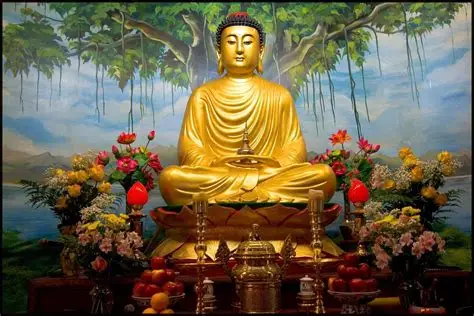
India, the birthplace of Buddhism, is home to a rich tapestry of spiritual traditions and cultural celebrations. Buddhist Festivals in India are not only religious events but also vibrant cultural gatherings that bring communities together. They reflect the teachings of Lord Buddha—compassion, mindfulness, and harmony—and showcase the diversity of Buddhist practices across the country.
🌄 Introduction to Buddhist Festivals
Buddhism originated in India more than 2,500 years ago, and its festivals continue to thrive in monasteries, temples, and communities across the nation. These festivals are celebrated with prayers, rituals, meditation, cultural performances, and communal harmony.
For travelers and spiritual seekers, experiencing Buddhist Festivals in India is a way to connect with the essence of Buddhism while enjoying the cultural richness of the regions where it flourishes.
🕉️ Buddha Purnima – The Birth of Enlightenment
Buddha Purnima, also known as Vesak, is the most important Buddhist festival in India.
- Significance – It marks the birth, enlightenment, and Mahaparinirvana of Lord Buddha.
- Celebrations – Devotees visit temples, offer prayers, light lamps, and meditate.
- Major Locations – Bodh Gaya (Bihar), Sarnath (Uttar Pradesh), and Kushinagar are the main centers.
- Traditions – Monks chant sutras, people distribute food to the needy, and processions are held.
Buddha Purnima is the centerpiece of Buddhist Festivals in India, symbolizing peace and wisdom.
📖 Losar – Tibetan New Year
Losar is celebrated by Tibetan Buddhist communities in India, especially in Ladakh, Himachal Pradesh, and Sikkim.
- Significance – Marks the Tibetan New Year and the arrival of spring.
- Celebrations – Monasteries are decorated, rituals are performed, and cultural dances are held.
- Major Locations – Leh, Dharamshala, and Gangtok.
- Traditions – Cham dances, offering rituals, and community feasts.
Losar adds color and vibrancy to Buddhist Festivals in India, blending spirituality with cultural joy.
🌸 Hemis Festival – A Celebration of Guru Padmasambhava
Hemis Festival is one of the most famous Buddhist festivals in Ladakh.
- Significance – Celebrates the birth anniversary of Guru Padmasambhava, who spread Buddhism in Tibet.
- Celebrations – Monks perform Cham dances wearing masks, symbolizing the victory of good over evil.
- Major Location – Hemis Monastery in Ladakh.
- Traditions – Sacred thangkas are displayed, and devotees gather for prayers.
Hemis Festival is a spectacular event among Buddhist Festivals in India, attracting tourists from around the world.
🏞️ Saga Dawa – Honoring Buddha’s Life
Saga Dawa is celebrated in Sikkim and Ladakh, marking the birth, enlightenment, and death of Buddha.
- Significance – A month-long festival dedicated to Buddha’s life.
- Celebrations – Monks chant prayers, devotees light lamps, and offerings are made.
- Major Locations – Gangtok, Tawang, and Ladakh.
- Traditions – Pilgrims walk around monasteries, carrying prayer flags and chanting mantras.
Saga Dawa is a deeply spiritual event among Buddhist Festivals in India, emphasizing compassion and mindfulness.
🏛️ Phang Lhabsol – Worship of Mount Kanchenjunga
Phang Lhabsol is unique to Sikkim, celebrated to honor Mount Kanchenjunga.
- Significance – The mountain is considered a guardian deity.
- Celebrations – Monks perform masked dances, and rituals are held to seek blessings.
- Major Location – Sikkim monasteries, especially in Gangtok.
- Traditions – Cham dances, offerings, and prayers for protection.
Phang Lhabsol enriches the diversity of Buddhist Festivals in India, blending nature worship with Buddhist traditions.
🏔️ Kalachakra Festival – The Wheel of Time
The Kalachakra Festival is a grand Buddhist event held occasionally in India.
- Significance – Focuses on world peace and spiritual harmony.
- Celebrations – Monks perform rituals, and teachings are given by senior lamas.
- Major Locations – Bodh Gaya and Dharamshala.
- Traditions – Construction of sand mandalas, meditation sessions, and discourses.
Kalachakra Festival is a global attraction among Buddhist Festivals in India, drawing thousands of international devotees.
🐾 Cham Dance Festivals
Cham dances are performed during various Buddhist festivals in India.
- Significance – Symbolize the triumph of good over evil.
- Celebrations – Monks wear elaborate masks and costumes.
- Major Locations – Monasteries in Ladakh, Himachal Pradesh, and Sikkim.
- Traditions – Ritual dances accompanied by traditional music.
Cham festivals add a dramatic and cultural dimension to Buddhist Festivals in India.
🎭 Cultural Significance of Buddhist Festivals
Beyond rituals, these festivals are cultural celebrations.
- Music and Dance – Traditional instruments and folk dances enrich the experience.
- Cuisine – Simple vegetarian meals, butter tea, and festive dishes are shared.
- Handicrafts – Prayer flags, thangkas, and masks are displayed.
- Community Spirit – Festivals bring people together, fostering harmony.
The cultural vibrancy makes Buddhist Festivals in India memorable for both devotees and tourists.
🧭 Buddhist Festivals for Travelers
For travelers, these festivals are opportunities to experience spirituality and culture.
- Best Time to Visit – Spring and summer months for festivals like Losar and Hemis.
- Experiences – Meditation retreats, monastery visits, and cultural performances.
- Destinations – Ladakh, Sikkim, Himachal Pradesh, Bihar, and Uttar Pradesh.
Tourists find Buddhist Festivals in India a unique blend of spirituality and adventure.
🚂 Connectivity and Travel
Most Buddhist festival destinations are well-connected.
- Airports – Leh, Gangtok (Pakyong), Dharamshala (Gaggal), and Patna.
- Railways – Varanasi, Gaya, and Siliguri connect to major sites.
- Roads – Highways and scenic routes make travel enjoyable.
Accessibility supports the growth of Buddhist Festivals in India as global attractions.
🌱 Sustainable Tourism
Efforts are being made to promote eco-friendly practices during festivals.
- Use of organic food and local crafts.
- Conservation of heritage sites and monasteries.
- Waste management during large gatherings.
- Promotion of homestays supporting local communities.
Sustainability ensures Buddhist Festivals in India remain vibrant for future generations.
✨ Conclusion
Buddhist Festivals in India are more than religious events; they are celebrations of peace, culture, and community. From Buddha Purnima in Bodh Gaya to Hemis Festival in Ladakh, from Losar in Sikkim to Saga Dawa in the Himalayas, these festivals narrate the story of Buddhism’s living traditions.
Whether you are a pilgrim seeking spiritual connection, a traveler exploring culture, or a seeker of wisdom, Buddhist festivals in India offer unforgettable experiences. Their timeless rituals, cultural richness, and spiritual depth make them a unique journey into the heart of Buddhism.