
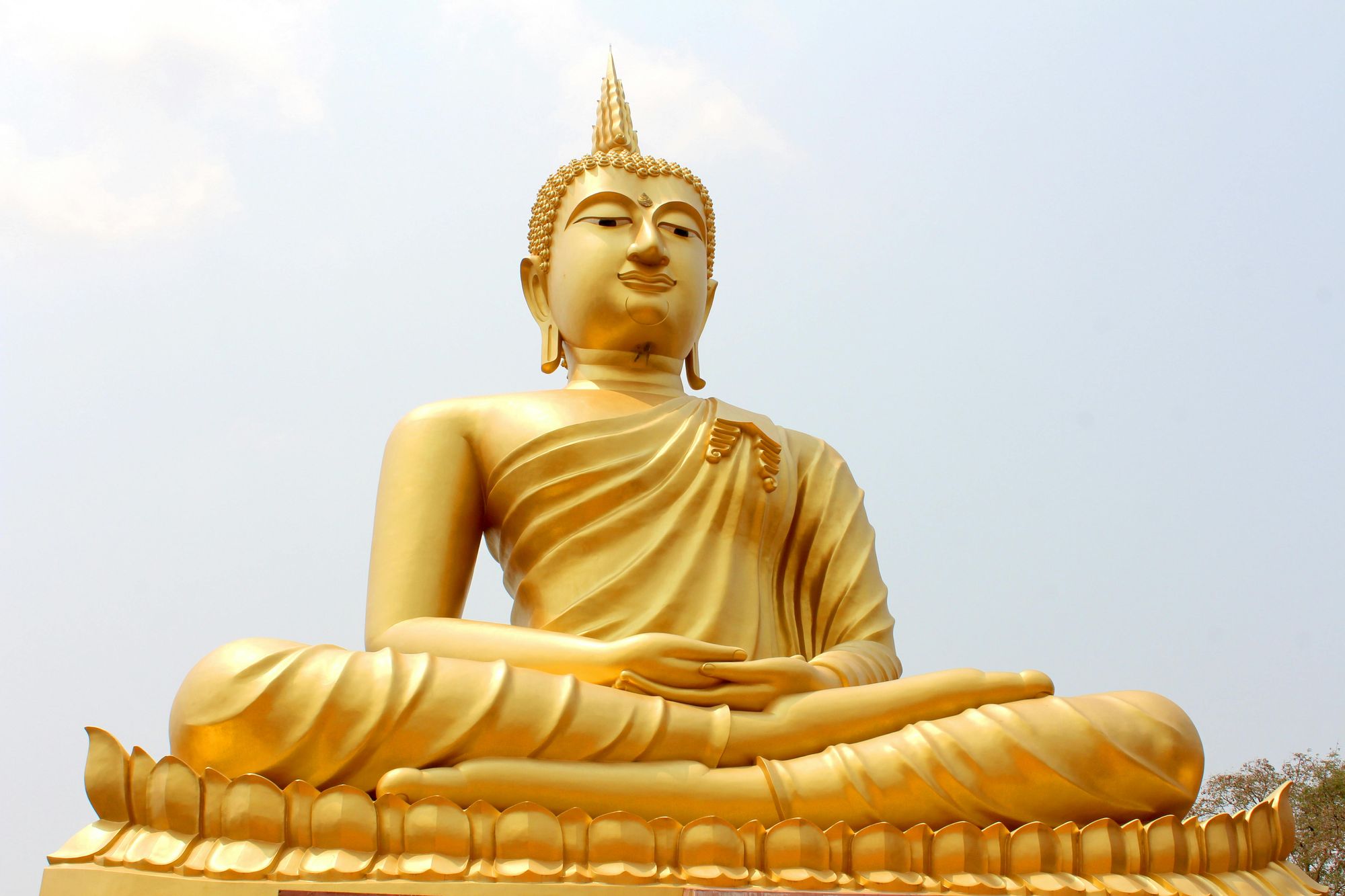
India is often described as the cradle of spirituality, and Buddhism is one of its most profound contributions to the world. Popular Buddhist Destinations in India attract millions of pilgrims, historians, and travelers every year. These sacred sites are not only linked to the life of Lord Buddha but also showcase India’s rich cultural and architectural heritage. From Bodh Gaya to Sarnath, Kushinagar to Nalanda, each destination offers a unique blend of peace, history, and discovery.
🌍 Introduction to Popular Buddhist Destinations in India
Buddhism originated in India over 2,500 years ago, and its teachings of compassion, mindfulness, and peace continue to inspire millions worldwide. India’s Buddhist destinations are spread across Bihar, Uttar Pradesh, Madhya Pradesh, Maharashtra, and other regions, forming a spiritual circuit that connects travelers to the life and journey of Lord Buddha. These sites are not just places of worship—they are living museums of history, philosophy, and culture.
🕉️ Importance of Buddhist Destinations
- Spiritual Significance: Pilgrims visit to meditate, pray, and seek blessings.
- Cultural Heritage: Ancient stupas, monasteries, and temples showcase India’s architectural brilliance.
- Educational Value: Sites like Nalanda highlight India’s role in global Buddhist scholarship.
- Tourism Impact: These destinations support local economies and preserve traditions.
🏞️ Popular Buddhist Destinations in India
1. Bodh Gaya (Bihar)
- The most important Buddhist site, where Lord Buddha attained enlightenment under the Bodhi Tree.
- The Mahabodhi Temple, a UNESCO World Heritage Site, is the centerpiece.
- Pilgrims from across the world meditate here, making it a global spiritual hub.
2. Sarnath (Uttar Pradesh)
- The place where Buddha delivered his first sermon after enlightenment.
- Famous for Dhamek Stupa, Chaukhandi Stupa, and the Ashoka Pillar.
- The Archaeological Museum houses rare Buddhist artifacts.
3. Kushinagar (Uttar Pradesh)
- Site of Buddha’s Mahaparinirvana (final passing).
- Known for Mahaparinirvana Temple and Ramabhar Stupa.
- A peaceful destination ideal for meditation and reflection.
4. Rajgir (Bihar)
- Associated with Buddha’s teachings and meditation retreats.
- Vulture’s Peak (Gridhakuta Hill) is where Buddha delivered many sermons.
- Nearby Nalanda adds scholarly significance to Rajgir’s spiritual aura.
5. Nalanda (Bihar)
- Ancient center of Buddhist learning, once attracting students from across Asia.
- Nalanda Mahavihara ruins are UNESCO-listed.
- Symbol of India’s intellectual and spiritual heritage.
6. Shravasti (Uttar Pradesh)
- Buddha spent 24 rainy seasons here, delivering many teachings.
- Famous for Jetavana Monastery and Anathapindika’s Stupa.
- A serene site with deep historical importance.
7. Vaishali (Bihar)
- Buddha gave his last sermon here.
- Known for Ashoka Pillar and relic stupas.
- Also significant in Jainism, making it a multi-faith heritage site.
8. Ajanta & Ellora Caves (Maharashtra)
- Rock-cut caves with exquisite Buddhist paintings and sculptures.
- Ajanta is famous for murals depicting Jataka tales.
- Ellora showcases Buddhist, Hindu, and Jain art together.
9. Sanchi (Madhya Pradesh)
- Famous for the Great Stupa built by Emperor Ashoka.
- Known for intricate gateways depicting Buddhist teachings.
- A UNESCO World Heritage Site and a must-visit for history lovers.
🌱 Benefits of Visiting Buddhist Tourist Destinations in India
Spiritual Benefits
- Provides peace of mind and inner strength.
- Encourages meditation, mindfulness, and reflection.
Cultural Benefits
- Promotes understanding of diverse traditions.
- Preserves rituals and festivals for future generations.
Economic Benefits
- Boosts local businesses, hotels, and transport.
- Creates employment opportunities in rural areas.
🧭 Essentials for Buddhist Tourism
Travelers should keep in mind:
- Best Time to Visit: October to March for pleasant weather.
- Clothing: Modest attire suitable for temples and monasteries.
- Local Etiquette: Respect rituals, avoid loud behavior, and remove footwear at sacred sites.
- Preparation: Carry meditation mats, journals, and comfortable walking shoes.
- Sustainability: Support local artisans and avoid plastic waste.
🌐 Modern Trends in Buddhist Tourism
Buddhist tourism is evolving with modern travel trends:
- Digital Pilgrimage: Online booking of darshan tickets and virtual tours.
- Luxury Pilgrimage: Premium packages offering comfort along with devotion.
- Wellness Tourism: Meditation retreats integrated with Buddhist journeys.
- Global Appeal: International tourists increasingly explore India’s Buddhist heritage.
🏔️ Challenges in Buddhist Tourism
Despite its popularity, challenges remain:
- Infrastructure: Some sites lack proper facilities for international tourists.
- Overcrowding: Popular destinations face excessive tourism pressure.
- Preservation: Ancient monuments require careful conservation.
- Awareness: Many travelers are unaware of lesser-known Buddhist sites.
📈 Future of Buddhist Tourist Destinations in India
The future looks promising:
- Government Initiatives: Development of Buddhist circuits under “Incredible India.”
- Global Promotion: Positioning India as the heart of Buddhist tourism.
- Technology Integration: Smart apps for navigation, bookings, and cultural learning.
- Eco-Friendly Tourism: Focus on sustainable practices and community involvement.
✨ Conclusion
Popular Buddhist Destinations in India are not just places to visit—they are journeys into peace, wisdom, and culture. From Bodh Gaya’s sacred Bodhi Tree to Nalanda’s ancient ruins, these sites connect travelers to the life and teachings of Lord Buddha. As the world seeks meaningful and spiritual journeys, Buddhist tourism in India will continue to inspire millions, offering paths of devotion, discovery, and inner transformation.