
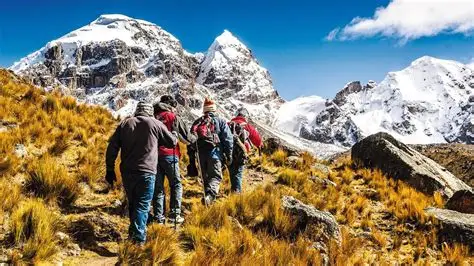
Travel is more than just visiting new places; it is about experiencing life in its rawest form. Trekking & Hiking Tourism has emerged as one of the most popular ways to connect with nature, challenge oneself, and explore destinations beyond the usual tourist trails. Whether you are walking through dense forests, climbing rugged mountains, or strolling along scenic coastal paths, trekking and hiking offer a unique blend of adventure, fitness, and cultural immersion.
🌍 The Rise of Trekking & Hiking Tourism
Over the past decade, trekking and hiking have transformed from niche activities into mainstream travel experiences. Adventure seekers, wellness travelers, and eco-conscious tourists are increasingly choosing trekking holidays over conventional sightseeing tours. This shift is driven by several factors:
- Health and Wellness: Hiking promotes physical fitness, mental relaxation, and mindfulness.
- Eco-Tourism: Travelers are seeking sustainable ways to explore nature without harming the environment.
- Authentic Experiences: Trekking routes often pass through remote villages, offering cultural exchanges with local communities.
- Social Media Influence: Pictures of breathtaking trails inspire millions to embark on similar journeys.
🥾 What Makes Trekking & Hiking Tourism Special?
Unlike traditional tourism, trekking and hiking are immersive. You don’t just see a mountain—you climb it. You don’t just admire a forest—you walk through it, listening to birds and feeling the crunch of leaves underfoot. This direct connection with nature makes trekking and hiking deeply rewarding.
Key highlights include:
- Adventure: Every trail is a challenge, testing endurance and resilience.
- Scenic Beauty: From snow-capped peaks to lush valleys, the landscapes are unforgettable.
- Cultural Encounters: Trekkers often stay in homestays or camps, interacting with locals.
- Personal Growth: Trekking builds patience, discipline, and confidence.
🏔️ Famous Trekking & Hiking Destinations Worldwide
Trekking & Hiking Tourism thrives across continents, with each region offering unique trails:
Asia
- Himalayas (India, Nepal, Bhutan): Home to Everest Base Camp, Annapurna Circuit, and Ladakh treks.
- Japan: The Kumano Kodo pilgrimage routes blend spirituality with nature.
- Indonesia: Mount Rinjani trek offers volcanic landscapes and crater lakes.
Europe
- Switzerland: The Alps are a paradise for hikers.
- Spain: Camino de Santiago is a historic pilgrimage trail.
- Scotland: The West Highland Way showcases rugged highlands.
Americas
- Peru: Inca Trail to Machu Picchu is world-famous.
- USA: Appalachian Trail and Pacific Crest Trail are iconic long-distance hikes.
- Canada: Banff and Jasper National Parks offer alpine adventures.
Africa
- Tanzania: Kilimanjaro trek is a bucket-list adventure.
- Morocco: Atlas Mountains provide diverse trails.
- South Africa: Drakensberg range is ideal for multi-day hikes.
🧭 Types of Trekking & Hiking Tourism
Not all treks are the same. Depending on difficulty, duration, and terrain, trekking can be categorized into:
- Day Hikes: Short trails completed within a few hours.
- Weekend Treks: 2–3 day adventures, often involving camping.
- Long-Distance Treks: Multi-week journeys across countries or regions.
- Pilgrimage Treks: Spiritual routes like Kailash Mansarovar or Camino de Santiago.
- Wildlife Treks: Trails through national parks, offering encounters with flora and fauna.
🧑🤝🧑 The Role of Local Communities
Trekking & Hiking Tourism is not just about travelers—it deeply impacts local communities. Villagers often serve as guides, porters, and hosts, creating livelihood opportunities. Homestays and eco-lodges allow tourists to experience authentic culture while supporting sustainable development.
🌱 Sustainability in Trekking & Hiking Tourism
With growing popularity comes responsibility. Sustainable trekking ensures minimal environmental impact:
- Leave No Trace: Carry back all waste.
- Eco-Friendly Lodging: Choose camps and lodges that use renewable energy.
- Respect Wildlife: Observe animals without disturbing them.
- Support Local Economies: Buy local products and hire local guides.
🧳 Essential Gear for Trekking & Hiking Tourism
Preparation is key. A successful trek requires the right gear:
- Footwear: Sturdy trekking boots with good grip.
- Clothing: Layered outfits for changing weather.
- Backpack: Lightweight yet spacious.
- Navigation Tools: Maps, GPS, or compass.
- Safety Kit: First aid, flashlight, and emergency supplies.
💡 Tips for Beginners
If you’re new to trekking, start small. Choose easy trails, build stamina, and gradually progress to challenging routes. Always check weather conditions, inform someone about your plan, and trek with a group if possible.
📈 Economic Impact of Trekking & Hiking Tourism
Adventure tourism contributes significantly to local and global economies. From equipment sales to guided tours, trekking generates revenue while promoting rural development. Countries like Nepal and Peru rely heavily on trekking tourism for foreign exchange earnings.
🧘 Trekking & Hiking Tourism as a Wellness Experience
Beyond adventure, trekking is therapeutic. Walking amidst nature reduces stress, improves cardiovascular health, and enhances mental clarity. Many wellness retreats now combine trekking with yoga and meditation, offering holistic experiences.
🔮 Future of Trekking & Hiking Tourism
The future looks promising. With increasing interest in sustainable travel, trekking will continue to grow. Innovations like smart gear, eco-friendly camps, and digital trail maps will enhance experiences. Virtual reality previews of trails may also inspire more travelers to embark on real journeys.
✨ Conclusion
Trekking & Hiking Tourism is more than a trend—it is a lifestyle choice for those seeking adventure, wellness, and cultural immersion. From the Himalayas to the Andes, from short hikes to epic expeditions, trekking opens doors to experiences that enrich the soul. As travelers, embracing trekking responsibly ensures that future generations can enjoy the same pristine trails and breathtaking landscapes.