
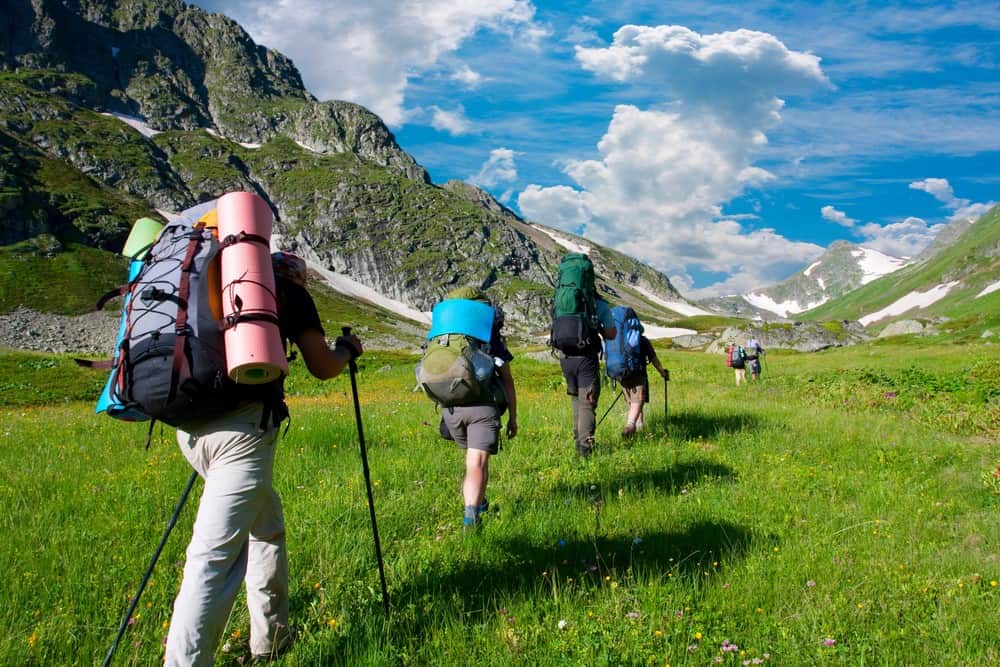
Travel has always been about exploration, discovery, and connection. Trekking & Hiking Tourism is one of the fastest-growing segments of adventure travel, attracting millions of enthusiasts worldwide who seek not just destinations, but experiences that challenge the body, refresh the mind, and inspire the soul. From the Himalayan trails of India to the rugged landscapes of South America, trekking and hiking offer a unique way to engage with nature, culture, and oneself.
Introduction to Trekking & Hiking Tourism
Trekking and hiking are more than just physical activities; they are immersive journeys into landscapes, traditions, and ecosystems. Unlike conventional tourism, which often emphasizes comfort and convenience, trekking and hiking tourism thrives on simplicity, endurance, and authenticity. Travelers willingly trade luxury for adventure, choosing trails that lead them through forests, mountains, valleys, and villages.
This form of tourism has gained immense popularity in recent decades due to several factors:
- Rising interest in wellness and outdoor activities.
- Growing awareness of sustainable travel.
- Desire for authentic cultural encounters.
- Increasing accessibility of trekking destinations worldwide.
Why Trekking & Hiking Tourism is Growing
Several global trends explain the surge in trekking and hiking tourism:
- Health & Wellness Movement: People are increasingly aware of the benefits of physical activity. Trekking combines exercise with exploration, making it a holistic travel option.
- Eco-conscious Travel: Tourists are seeking sustainable ways to explore nature. Trekking minimizes environmental impact compared to mass tourism.
- Adventure Appeal: The thrill of conquering peaks, crossing rivers, and navigating trails appeals to the human spirit of adventure.
- Cultural Immersion: Trekking often passes through rural villages, allowing travelers to interact with local communities and traditions.
Popular Trekking & Hiking Destinations Worldwide
1. The Himalayas, India & Nepal
The Himalayas are the crown jewel of trekking tourism. Trails like the Everest Base Camp Trek in Nepal and the Roopkund Trek in India attract thousands of adventurers annually. These treks combine breathtaking scenery with cultural immersion in Sherpa and Himalayan communities.
2. The Inca Trail, Peru
Leading to Machu Picchu, the Inca Trail is one of the most iconic trekking routes in the world. It blends history, archaeology, and natural beauty, offering trekkers a chance to walk in the footsteps of ancient civilizations.
3. The Appalachian Trail, USA
Stretching over 3,500 kilometers, the Appalachian Trail is a long-distance hiking route that showcases the diverse landscapes of the eastern United States. It’s a favorite among endurance hikers.
4. Kilimanjaro, Tanzania
Mount Kilimanjaro, Africa’s highest peak, is a bucket-list destination for trekkers. The climb is challenging but achievable, making it one of the most popular trekking tourism spots globally.
5. The Alps, Europe
From Switzerland to France, the Alps offer countless trails for hikers of all levels. The Tour du Mont Blanc is particularly famous for its panoramic views and cultural diversity.
Trekking & Hiking Tourism in India
India is a treasure trove for trekking enthusiasts. With diverse terrains ranging from snow-clad mountains to tropical forests, the country offers something for every adventurer.
- Himalayan Treks: Kedarkantha, Hampta Pass, Valley of Flowers.
- Western Ghats: Sahyadri Hills, Kudremukh, Chembra Peak.
- Northeast India: Dzükou Valley, Namdapha National Park.
- Spiritual Treks: Amarnath Yatra, Vaishno Devi, Hemkund Sahib.
These treks not only provide natural beauty but also connect travelers with India’s rich cultural and spiritual heritage.
Benefits of Trekking & Hiking Tourism
Physical Benefits
- Improves cardiovascular health.
- Builds stamina and endurance.
- Strengthens muscles and joints.
Mental Benefits
- Reduces stress and anxiety.
- Enhances mindfulness and focus.
- Provides a sense of accomplishment.
Social Benefits
- Encourages teamwork and bonding.
- Promotes cultural exchange.
- Supports local economies.
Challenges in Trekking & Hiking Tourism
While trekking tourism is rewarding, it comes with challenges:
- Safety Risks: Accidents, altitude sickness, and unpredictable weather.
- Environmental Concerns: Littering, trail erosion, and wildlife disturbance.
- Accessibility: Remote locations may lack infrastructure.
- Over-tourism: Popular trails face overcrowding, diminishing the experience.
Sustainable Trekking & Hiking Tourism
Sustainability is crucial in trekking tourism. Responsible practices ensure that trails remain pristine and communities benefit positively.
Key Principles:
- Leave No Trace: Carry back all waste.
- Respect Local Cultures: Follow traditions and customs.
- Support Local Economies: Hire local guides, stay in homestays.
- Eco-friendly Gear: Use reusable bottles, biodegradable products.
Future of Trekking & Hiking Tourism
The future looks promising, with trends pointing toward:
- Digital Integration: GPS-enabled apps, virtual trail previews.
- Eco-tourism Growth: More emphasis on conservation.
- Wellness Tourism: Trekking combined with yoga, meditation retreats.
- Community-led Tourism: Local communities taking charge of trekking experiences.
Tips for Beginners in Trekking & Hiking Tourism
- Start with short, easy trails.
- Invest in good footwear and gear.
- Stay hydrated and carry essentials.
- Train physically before long treks.
- Travel with experienced guides.
Conclusion
Trekking & Hiking Tourism is more than just a travel trend—it’s a lifestyle choice that blends adventure, wellness, and sustainability. Whether you’re scaling Himalayan peaks, walking through alpine meadows, or exploring tropical forests, trekking offers a chance to reconnect with nature and yourself. As the world moves toward mindful and eco-conscious travel, trekking and hiking will continue to inspire generations of explorers.