
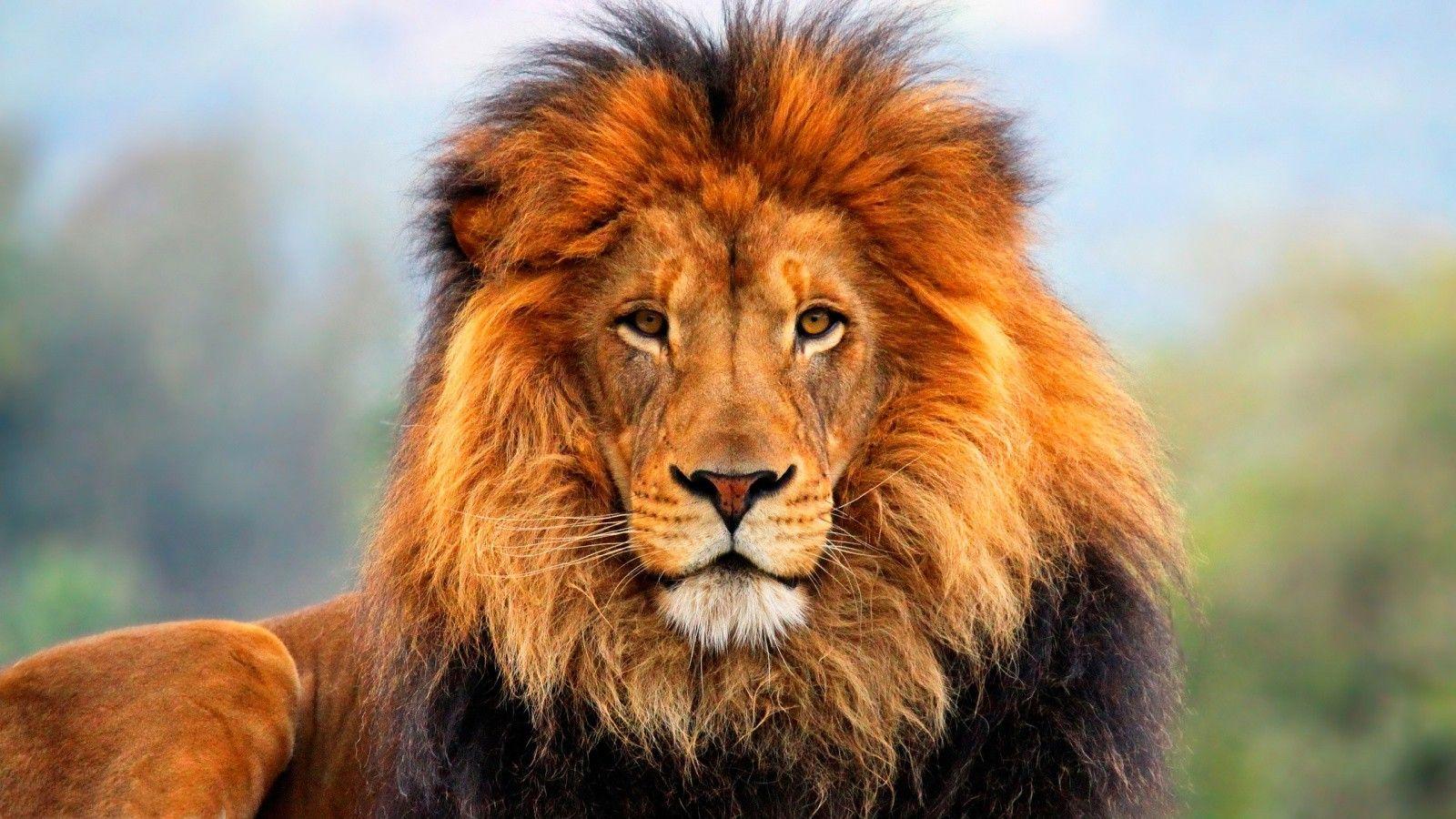
Travel is not only about cities, monuments, or beaches—it is also about immersing oneself in the raw beauty of nature. Wildlife Sanctuaries & National Parks play a vital role in preserving biodiversity, protecting endangered species, and offering travelers a chance to experience the wilderness in its purest form. For nature lovers, adventurers, and eco-tourists, these protected areas are gateways to unforgettable journeys filled with wildlife encounters, scenic landscapes, and cultural insights.
🌍 Importance of Wildlife Sanctuaries & National Parks
Wildlife sanctuaries and national parks are more than tourist attractions—they are lifelines for our planet’s ecological balance. Their importance can be understood in several ways:
- Biodiversity Conservation: They protect endangered species like tigers, elephants, rhinos, and countless birds.
- Eco-Tourism: They promote sustainable travel that benefits local communities.
- Education & Awareness: Visitors learn about ecosystems, conservation, and the importance of protecting nature.
- Climate Regulation: Forests within sanctuaries act as carbon sinks, reducing global warming.
🦁 Wildlife Sanctuaries & National Parks in India
India is blessed with diverse ecosystems, ranging from Himalayan forests to coastal mangroves. Some of the most famous sanctuaries and parks include:
- Jim Corbett National Park (Uttarakhand): India’s first national park, famous for Bengal tigers.
- Kaziranga National Park (Assam): A UNESCO World Heritage Site, home to the one-horned rhinoceros.
- Gir National Park (Gujarat): The only natural habitat of Asiatic lions.
- Ranthambore National Park (Rajasthan): Known for tiger sightings and historic forts.
- Periyar Wildlife Sanctuary (Kerala): Famous for elephants and scenic boat rides.
- Sundarbans National Park (West Bengal): Mangrove forests and the elusive Royal Bengal Tiger.
🐾 Global Wildlife Sanctuaries & National Parks
Beyond India, the world is dotted with iconic sanctuaries and parks:
- Yellowstone National Park (USA): Famous for geysers, grizzlies, and wolves.
- Kruger National Park (South Africa): A premier safari destination with the Big Five.
- Banff National Park (Canada): Stunning alpine landscapes and diverse wildlife.
- Serengeti National Park (Tanzania): Known for the Great Migration of wildebeest.
- Galápagos Islands (Ecuador): Unique species found nowhere else on Earth.
🧭 Types of Wildlife Sanctuaries & National Parks
Protected areas can be categorized based on their purpose and ecosystem:
- Tiger Reserves: Focused on conserving tiger populations (e.g., Bandhavgarh, Kanha).
- Bird Sanctuaries: Dedicated to avian species (e.g., Bharatpur Bird Sanctuary).
- Marine Parks: Protect coral reefs and marine life (e.g., Gulf of Mannar Marine National Park).
- Desert Parks: Showcase arid ecosystems (e.g., Desert National Park in Rajasthan).
- Mountain Parks: Preserve alpine flora and fauna (e.g., Valley of Flowers in Uttarakhand).
🧑🤝🧑 Role of Local Communities
Wildlife Sanctuaries & National Parks are not isolated—they are deeply connected to local communities. Villagers often serve as guides, naturalists, and hosts. Eco-tourism initiatives provide livelihood opportunities while encouraging conservation. Homestays near sanctuaries allow tourists to experience authentic culture alongside wildlife adventures.
🌱 Sustainability in Wildlife Tourism
Responsible tourism is crucial to protect fragile ecosystems. Sustainable practices include:
- Eco-Friendly Lodging: Staying in camps and lodges that use renewable energy.
- Waste Management: Carrying back all plastic and non-biodegradable waste.
- Respecting Wildlife: Observing animals without disturbing their natural behavior.
- Supporting Local Economies: Buying local handicrafts and hiring local guides.
🧳 Essential Gear for Wildlife Travel
Preparation enhances the experience. A wildlife trip requires:
- Binoculars: For spotting birds and distant animals.
- Camera: To capture rare sightings.
- Comfortable Clothing: Neutral colors to blend with surroundings.
- Footwear: Sturdy shoes for safaris and treks.
- Safety Kit: First aid, insect repellent, and water bottles.
💡 Tips for First-Time Visitors
If you’re new to wildlife tourism, keep these tips in mind:
- Choose parks with beginner-friendly safaris.
- Follow park rules strictly—silence is often required.
- Avoid feeding animals.
- Travel during early mornings or evenings for better sightings.
- Always respect the natural habitat.
📈 Economic Impact of Wildlife Sanctuaries & National Parks
Wildlife tourism contributes significantly to national and local economies. It generates revenue through entry fees, safaris, lodging, and guided tours. Local artisans, transport providers, and food vendors benefit from tourist spending. Countries like India, Kenya, and South Africa rely heavily on wildlife tourism for foreign exchange earnings.
🧘 Wildlife Sanctuaries & National Parks as Wellness Retreats
Beyond adventure, wildlife tourism offers peace and rejuvenation. Spending time in forests reduces stress, improves mental clarity, and promotes mindfulness. Many sanctuaries now combine safaris with yoga, meditation, and nature therapy, offering holistic wellness experiences.
🚉 Infrastructure and Accessibility
Governments worldwide are investing in better infrastructure for wildlife tourism:
- Improved Roads & Railways: Connecting remote sanctuaries with cities.
- Digital Platforms: Online booking for safaris and accommodations.
- Safety Measures: Anti-poaching units and disaster management.
- International Promotion: Campaigns highlighting wildlife tourism globally.
🔮 Future of Wildlife Sanctuaries & National Parks
The future of Wildlife Sanctuaries & National Parks looks promising. With increasing awareness about conservation, eco-tourism will continue to grow. Innovations like electric safari vehicles, smart tracking systems, and eco-friendly lodges will enhance experiences. Virtual reality previews of safaris may also inspire more travelers to embark on real journeys.
✨ Conclusion
Wildlife Sanctuaries & National Parks are not just tourist destinations—they are guardians of our planet’s biodiversity. They offer travelers a chance to witness nature’s wonders, from roaring lions to fluttering butterflies, from dense forests to vast deserts. For those seeking adventure, peace, or cultural immersion, these sanctuaries provide journeys that enrich the soul. By embracing wildlife tourism responsibly, we ensure that future generations can enjoy the same pristine landscapes and magnificent creatures.